Dental Gold Value Calculator
Dental gold value calculator from cleaned weight and a real purity figure. Crowns and bridges rarely match jewelry karat guesses — price recoverable metal.
Gold Value Calculator
Current 14K price · —/gram · —/bhori
Using live market spot for this calculation.
Formula: weight × karat multiplier × spot price. 14K = 0.583
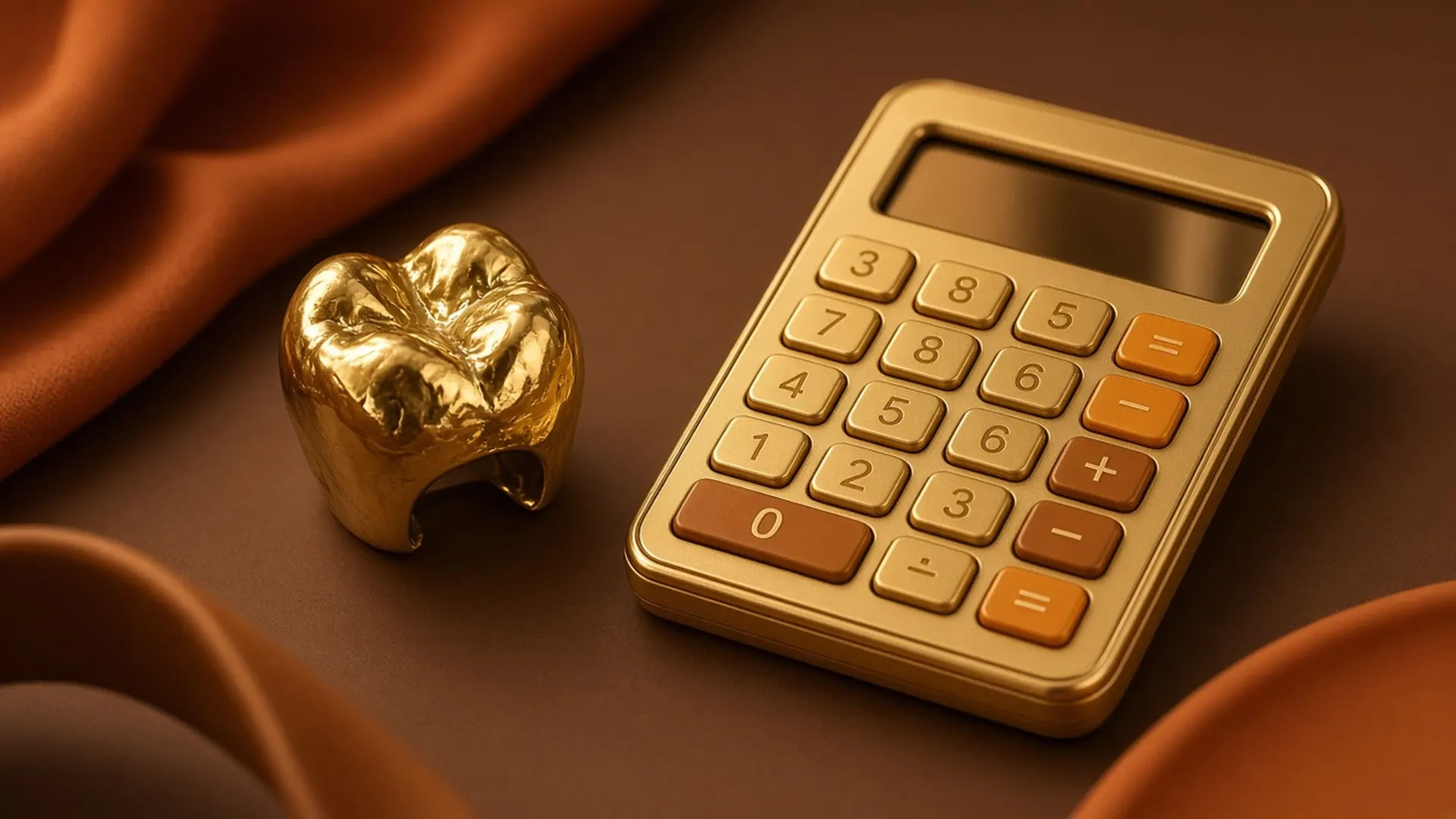
Dental gold doesn't wear a jewelry stamp you can trust at a glance. Crowns hide porcelain, teeth remnants, and alloy recipes that never lived in a retail karat chart.
Guessing "it looks like 16K" feels clever for about ten seconds. Refiners pay what they recover — not the story from the dental chair.
This calculator builds a melt-style estimate from cleaned weight and a purity you can defend (paperwork, prior assay, or a conservative figure you're willing to test against).
Porcelain isn't gold — weigh like you mean it
Knock off what debris you can without wrecking identification. Porcelain, cement, and tooth structure add grams that aren't metal.
Bridges may include non-gold connectors. If you can't separate them safely, say so on the ticket and expect the buyer to haircut the weight.
Dry the lot. Wet crowns on a gram scale are a quiet way to inflate a bad number.
Purity: the part most people invent
Jewelry habits fail here. Dental alloys vary. Some run high gold; some are lower-gold or palladium-heavy mixes that only look "goldish."
Best inputs, in order:
- Clinic or lab alloy documentation
- Prior assay on a similar lot from the same source
- A conservative scenario you and the buyer agree to verify
No basis? Label the calculator output as a scenario, not a fact. Settlement still waits on refining.
More on how offers trail melt: scrap vs melt vs resale.
Practical run-through
| Step | Do this |
|---|---|
| 1 | Collect crowns, inlays, bridge sections; keep lots labeled |
| 2 | Remove obvious non-metal debris when safe |
| 3 | Weigh the cleaned metal-bearing lot |
| 4 | Enter purity only with a reason |
| 5 | Multiply weight × purity × gold price (matched units) |
| 6 | Expect advances/offers under perfect melt until assay |
Formula is the same old scrap line — the honesty is in the purity field.
EXAMPLE — 18 g dental lot, conservative purity
EXAMPLE spot: $4,000 / troy oz (illustrative) → ≈ $128.60 per pure gram.
Cleaned dental lot: 18 g.
You lack docs, so you run a conservative 60% gold scenario (illustrative assumption — not a claim about all dental gold).
Fine gold ≈ 18 × 0.60 = 10.8 g
Scenario melt-style ≈ 10.8 × 128.60 ≈ $1,389.
If assay later reads 45%, the same weight is worth far less. That's why dental quotes without testing language are fiction.
What this tool won't do
It won't identify alloy from a photo. It won't turn porcelain weight into gold. It won't replace a refiner's settlement.
Use it to stop wild jewelry-karat guesses and to compare whether a buyer's advance even lives on the same planet as your stated assumptions.
Packing and refining payout habits: maximize scrap gold refining payout.
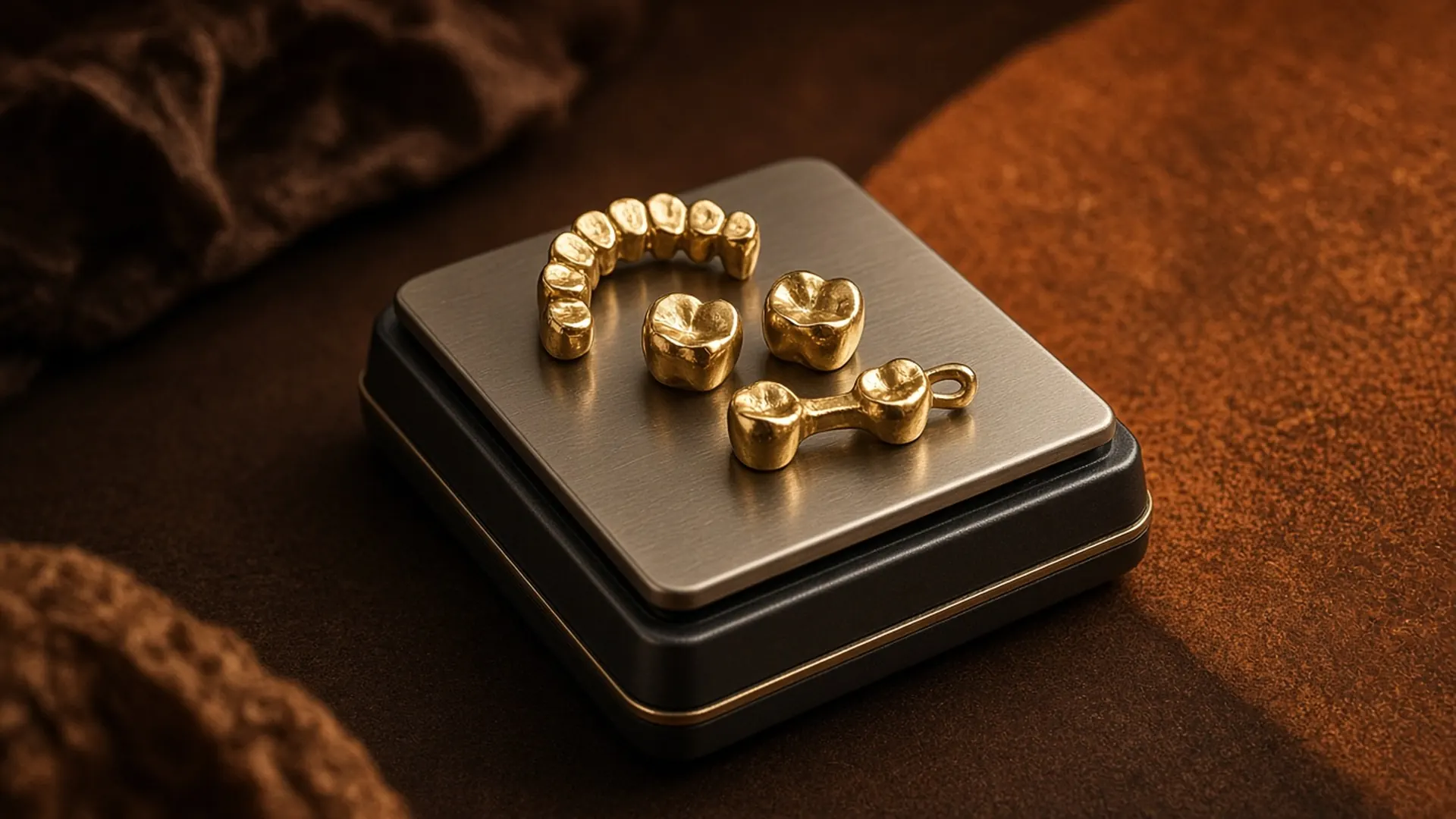
Related tools and guides
- Goldcalculator
- all gold calculators
- scrap gold calculator
- gold melt calculator
- gold karat calculator
- how to calculate gold value
Frequently Asked Questions
How much is dental gold worth per gram?
Depends entirely on recoverable gold content and spot. There is no honest single "dental price per gram" without purity.
Is dental gold 16K or 18K?
Sometimes high-gold alloys land near jewelry karat ranges — often they don't. Don't assume from color.
Should I clean porcelain off before selling?
Remove what you can safely. Buyers discount dirty weight. Don't destroy pieces you still need identified.
Can I use a jewelry karat calculator instead?
Only if you've converted a known dental fineness into that karat. Blind 14K/18K presets on dental lots are a common mistake.
Why is the offer so far under my estimate?
Unknown alloy risk. Refiners protect themselves until metal is proven. Ask about advances vs final settlement.
Do stones in old dental work matter?
Non-gold material always matters for weight. Note it; don't pretend it's fine gold.
Disclaimer
Dental estimates are only as good as the purity you enter. Unknown alloys need assay. Educational tool — not a payout promise.