Maximize Scrap Gold Refining Payout
Maximize scrap gold refining payout by sorting karat, removing stones, documenting weight, and understanding accountability before you ship a lot.
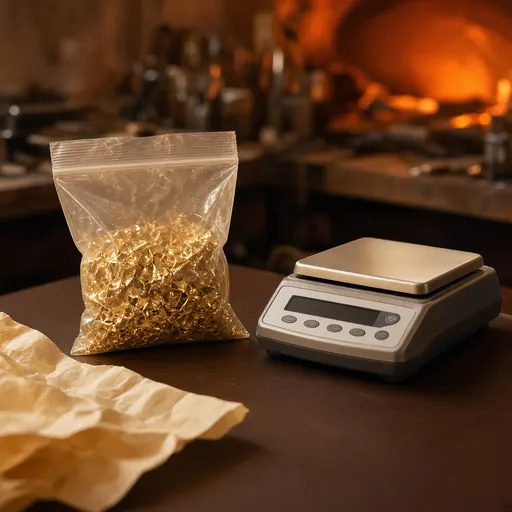
You ship a coffee can of mixed yellow, skip the packing list, and then fight the settlement for a week. The metal didn’t “vanish.” The lot story did.

Refiners price process as much as ounces. Messy bags, mystery karat blends, and missing paperwork create doubt—and doubt is expensive.
This guide is shop-floor: sort, weigh, label, pack, and read terms so more of the melt-style value survives the trip.
You’re covering lot prep, packing habits, and which refining terms to compare—not invented payout percentages.
Start with melt-style math you trust
Before you ship, know the theoretical fine-gold story: weight × purity × price on one unit basis. Refresh how to calculate gold value and keep offers distinct from melt using scrap vs melt vs resale.
A clear estimate won’t force a better wire by itself. It tells you when a settlement needs questions.
Sort like settlement depends on it (it does)
By karat. 10K, 14K, 18K, and higher each get their own bag when volume allows. Blended “all yellow” lots invite conservative treatment.
Solid vs filled vs plated. Don’t bury GF and plate inside solid scrap. They contaminate the story.
Jewelry vs filings/sweeps. Dust carries solder, abrasive, and floor dirt. Price and pack it as a different risk class—bench filings gold value.
Stones and steel out when practical. Heads still holding CZs, watch backs, and steel pins pad weight without gold.
Use stamps correctly: gold purity hallmark chart and hallmark numbers. Soft or under marks: half karat under plumb.
Weigh and write it down
Zero the scale. Record gross weight, unit, and karat on a packing list that travels with the lot.
Pick one unit system for the shipment and stick to it. Mixing grams and DWT without conversion is a classic dispute starter—pennyweight vs grams vs troy ounce.
Photograph bags next to the list if your process allows. You’re building a paper trail, not being paranoid.
Packing habits that reduce “where did it go?”
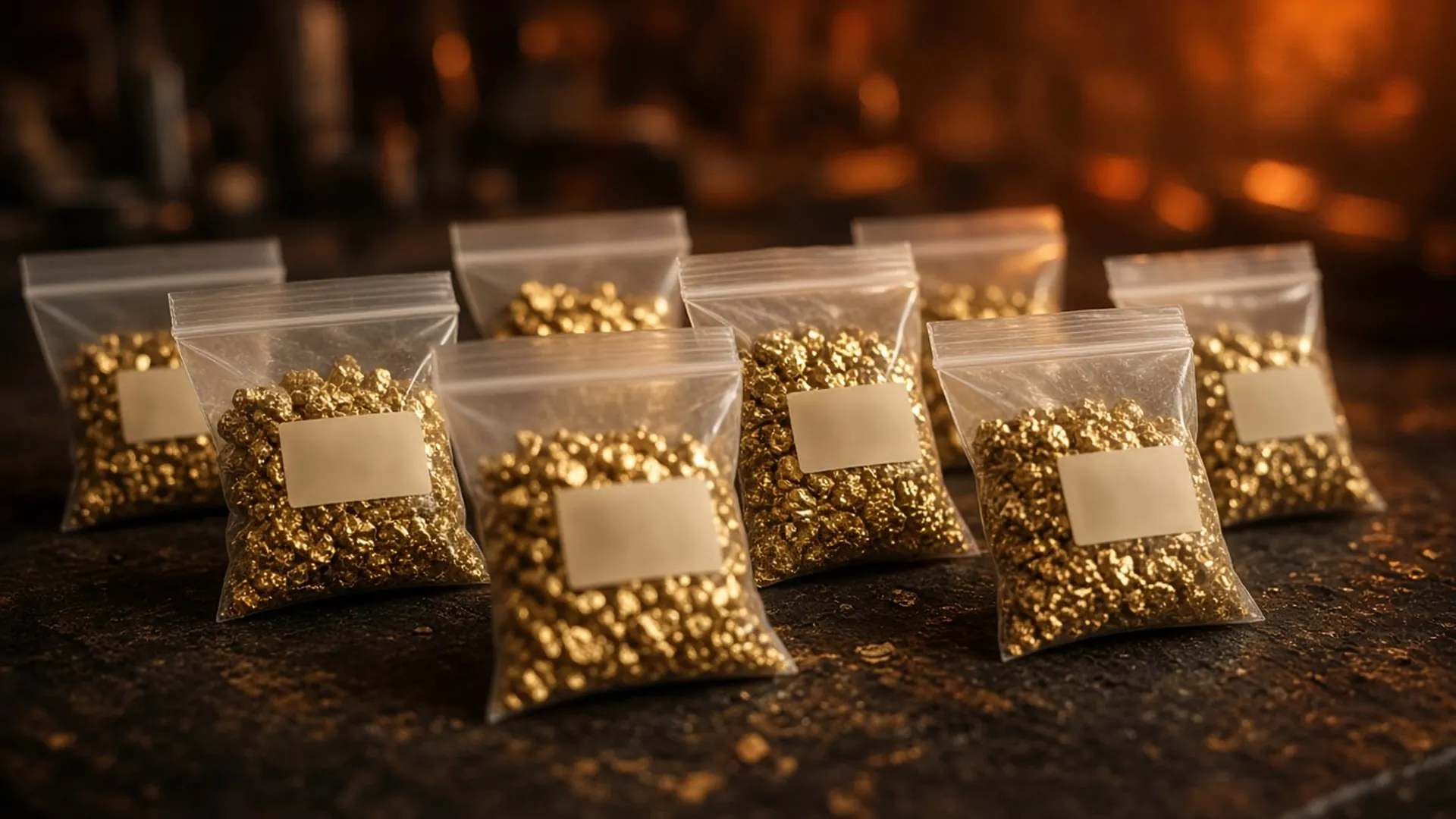
- Use clean, sealed bags—one karat family per bag when you can.
- Double-bag fine filings; tape the fold; label “FILINGS – mixed / contaminated.”
- No loose findings rattling in a box corner.
- Inside inventory list + copy in your files.
- Mark the outside with lot ID, piece/bag count, and contact info.
Ship like you’d want to receive: obvious, dull, documented.
Read refining terms before you chase “more”
Two phrases decide more settlements than marketing gloss: accountability and treatment charge. They are not the same lever. Compare them properly in accountability vs treatment charge.
Also watch:
- How assays are done and disputed
- Minimums and lot fees
- Turnaround expectations in writing
- How mixed lots are handled vs pre-sorted lots
“More” often means fewer surprises, not a magical higher percentage someone promised on the phone.
What “more” looks like on a real week
More often means:
- Fewer settlement emails about mystery bags
- Less metal lost to unlabeled filings leaking into a box corner
- Cleaner comparisons between your melt-style file and the receiving report
- Faster questions when accountability or treatment lines look off
It rarely means a secret handshake that raises every lot by a fixed slice. If someone sells you a universal bump, ask for the written schedule instead.
Lot notes that earn their ink
Write boring specifics:
- “Bag 214 / Bag A: 14K solid, stones pulled, 412.6 g”
- “Bag 214 / Bag B: 10K mixed findings, 188.2 g”
- “Bag 214 / Bag C: yellow filings, double-bagged, 63.0 g contaminated”
That beats “gold scrap – various.” When receiving weight differs, you have a map.
Calculator hygiene for refining lots
Run per-bag estimates with honest purity. Tools that hide inputs waste prep time—see how to choose a scrap gold calculator.
Label every pre-ship estimate with the spot basis and date. When settlement arrives, compare against your packing list first, emotion second.
If your shop still ships one coffee can a month, run the full checklist anyway. Habits built on small lots are what save the first large tray.
Pre-ship checklist
- Sorted by karat / filled / filings.
- Stones and obvious non-gold removed where practical.
- Weights recorded with units.
- Packing list inside + file copy.
- Bags sealed and labeled with lot ID.
- Refining terms skimmed (accountability, treatment, timing).
- Melt-style estimate filed—not treated as the wire amount.
Keep exploring
- Goldcalculator
- scrap gold calculator
- accountability vs treatment charge
- bench filings gold value
- how to choose a scrap gold calculator
- all gold calculators
Frequently Asked Questions
Does sorting by karat always raise the settlement?
It won’t rewrite chemistry. It reduces ambiguity and can improve how the lot is handled and discussed. Blended junk bags are harder to defend.
Should I melt everything in-shop before refining?
Only if you have the setup, permits, and process for it. Most shops ship sorted scrap and let the refiner assay. Don’t improvise melt for “control” if you can’t do it safely and cleanly.
How granular should packing lists be?
Bag ID, bag count, karat family, weight + unit, and notes (stones removed, filings, dental, etc.). Enough that a stranger can reconcile the box.
What hurts settlements more—wrong karat or bad packing?
Both. Wrong karat skews expectations. Bad packing creates loss and contamination arguments. Fix both.
Can I include silver and gold in one bag?
Keep them separate when you can. Mixed base metals complicate the story and the process path.
Is a higher treatment charge always worse?
Not always—look at accountability, fees, and timing together. One attractive line item can hide a weaker overall deal. Compare the full term set.
What do I do if settlement weight is far off my list?
Start with your photos, packing list, and seal notes. Ask for the receiving report detail. Don’t open with accusations; open with documents.
Next step
Build one packing-list template this week. Run your next refining shipment through the checklist above—even if the lot is small. The habit pays on the first messy tray you don’t ship as a coffee can.