Gold Purity Hallmark Chart
Gold purity hallmark chart for 10K through 24K and stamps 417–999, plus how to read marks before you weigh scrap or price a jewelry lot for melt value.
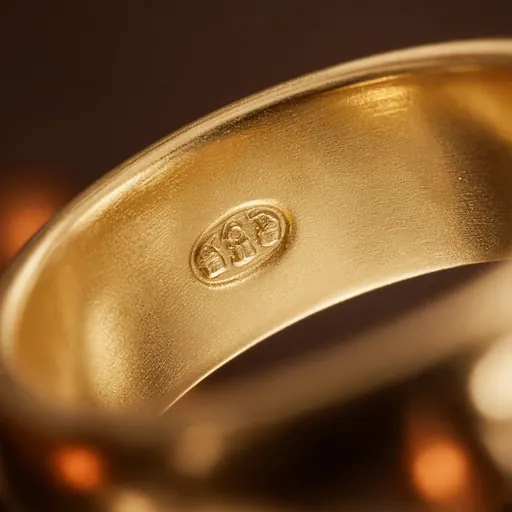
You flip a clasp, squint at a three-digit stamp, and still aren’t sure whether the tray is mostly 14K or a mix that will disappoint after melt.
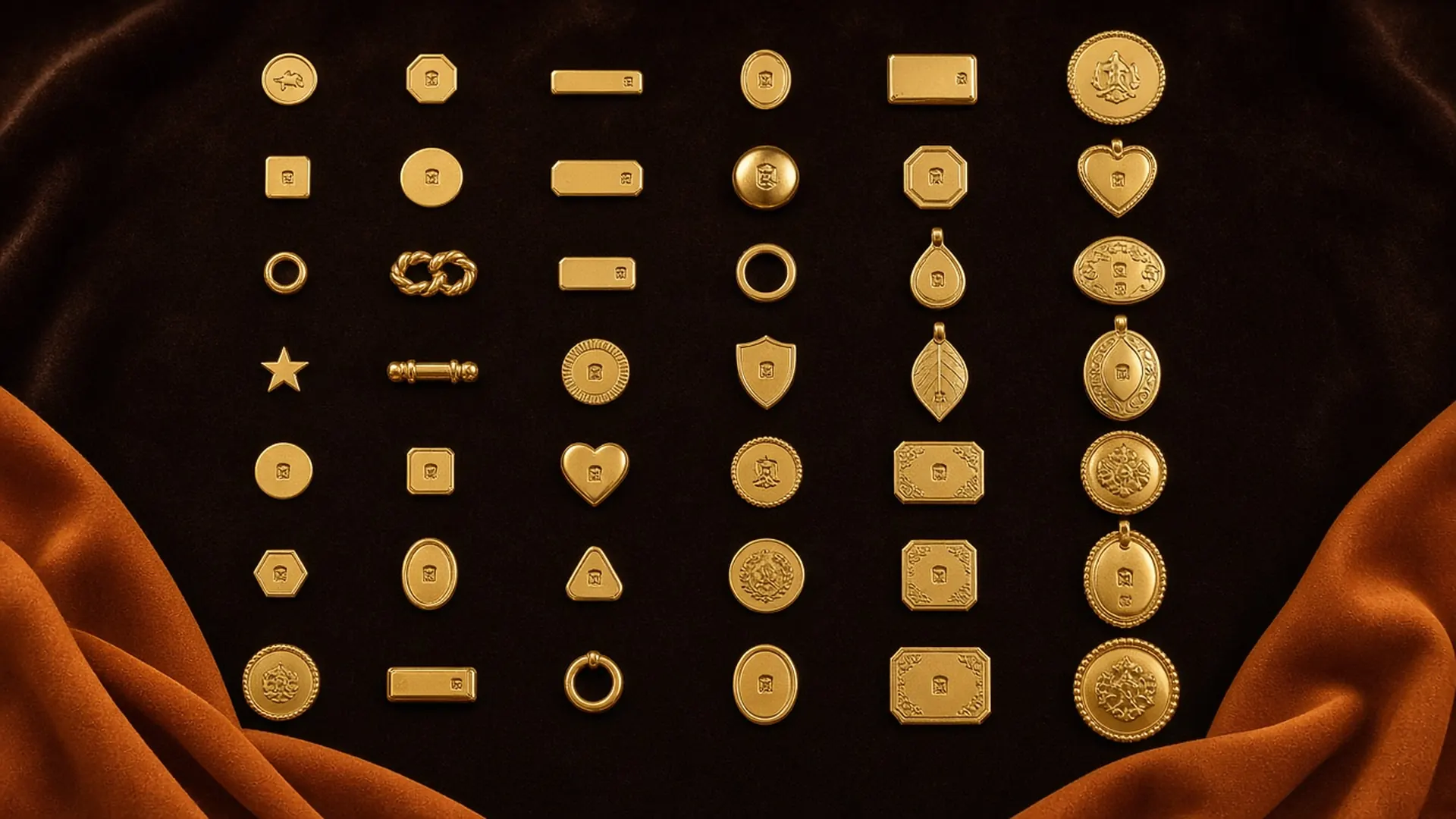
Wrong purity is the quiet way shops lose money. Weight looks precise. The stamp is where guesses creep in—especially on worn jewelry, foreign marks, and under-plumb goods.
This chart ties karat to approximate purity and common millesimal stamps so you can enter scrap math with fewer shrugs.
Use it beside the scale when you sort lots, train new counters, or double-check a stamp before you quote.
How karat and millesimal marks relate
Karat = parts fine gold out of 24.
Millesimal marks (like 585) state parts per thousand.
Same metal, two labeling habits. U.S. jewelry often shows karat; many international pieces show three digits. Either way, purity feeds the same formula: weight × purity × price. Refresh that math in how to calculate gold value.
For digit-by-digit stamp reading—including odd numbers you don’t see every day—see what gold hallmark numbers mean.
Gold purity and hallmark chart
| Karat | Approx. fine gold | Common millesimal | Shop note |
|---|---|---|---|
| 9K | 9/24 ≈ 37.5% | 375 | Common outside U.S.; don’t price as 10K |
| 10K | 10/24 ≈ 41.7% | 417 | Frequent U.S. scrap; lower melt per gram |
| 14K | 14/24 ≈ 58.3% | 585 | Workhorse karat for U.S. jewelry scrap |
| 18K | 18/24 ≈ 75.0% | 750 | Higher melt; watch for stones left in |
| 21K | 21/24 ≈ 87.5% | 875 | Regional jewelry; confirm stamp carefully |
| 22K | 22/24 ≈ 91.7% | 916 | Soft metal; often coins / high-karat jewelry |
| 24K | ≈ 99.9% | 999 | Near fine; rare as everyday jewelry scrap |
These fractions are standard shop references. They are not a substitute for assay on large refining lots.
Reading marks on the bench
Start at the clasp, the inside of the shank, and the catch plate. Dirt and polish compound hide digits. A loupe beats phone zoom when the stamp is shallow.
If you see 14K and 585 on the same piece, treat them as agreeing—not as two different purities. If you see 14K next to a soft test or a half-karat-under style mark, don’t force 58.3%. Details: half karat under plumb.
No stamp? Acid tests and electronic testers help triage. They still aren’t a melt assay. Price uncertain metal more carefully, or send it as a separate refining line.
Chart habits that save arguments
Sort before you weigh. One bag of “yellow” is not one purity. Separate 10K from 14K from 18K when the marks allow.
Write the mark on the ticket. “14K / 585, 22.1 g, no stones” beats “gold chain” when someone revisits the lot.
Watch filled and plated. GF, HGE, and “gold washed” are not solid karat rows on this chart. Keep them off solid scrap estimates.
Don’t invent payouts from the chart. Purity tells you fine-gold content for melt-style math. Cash offers and refining settlements sit in a different conversation—see scrap vs melt vs resale and accountability vs treatment charge.
Units still matter after you know purity
Once purity is set, weight unit mistakes still wreck the estimate. Grams, DWT, and troy ounces are not interchangeable without conversion. Keep pennyweight vs grams vs troy ounce in the training binder.
Filings and sweeps won’t carry neat hallmarks. Treat them as contaminated lots, not chart rows—bench filings gold value.
Choosing tools that respect the chart
A scrap calculator should accept karat and millesimal, show the purity fraction, and let you lower purity when stamps look soft. Criteria live in how to choose a scrap gold calculator. Packing and lot notes still decide how refining lots settle after the chart work—how to get more from scrap gold refining.
Mini example
Stamped 750 bracelet, stones removed, 12.0 g.
Purity ≈ 0.750.
EXAMPLE spot $2,400 / troy oz ≈ $77.16 / g.
Fine gold ≈ 12.0 × 0.750 = 9.0 g
Estimate ≈ 9.0 × 77.16 ≈ $694 (melt-style)
If the stamp had been 585 on the same weight, fine gold drops to about 7.0 g and the estimate falls with it. The chart is doing real work here—not decoration.
Keep exploring
- Goldcalculator
- gold karat calculator
- what gold hallmark numbers mean
- 14K gold calculator
- half karat under plumb
- all gold calculators
Frequently Asked Questions
Is 585 exactly the same as 14K?
Close enough for shop estimates. 14/24 ≈ 58.333…%; 585 means 58.5%. Rounding differences are tiny next to stones left in or a bad weigh-in.
What if a piece shows 14KP or 14K with extra letters?
Letter suffixes can flag plating, plumb rules, or maker codes. Don’t assume every extra letter is meaningless—check against under-plumb and filled markings before you book solid 14K purity.
Can I use this chart for dental gold?
Only as a starting point. Dental alloys vary. Confirm composition before you apply jewelry karat rows to a bridge or crown.
Why do some stamps look like 583 or 584?
Older or regional marks sometimes sit near 14K without being 585. Treat odd three-digit marks carefully; when unsure, test or separate the piece.
Does a hallmark guarantee the buyer will pay melt value?
No. A mark supports purity input. Offers and settlements still reflect testing, fees, and margin.
Should mixed-karat lots use an average purity?
Averaging hides risk. Weigh and price by karat when you can. If you must blend, say so on the ticket and expect a softer number.
What purity should I enter for unmarked yellow metal?
None from this chart alone. Test first, or send as a low-certainty refining line. Guessing 14K on unmarked metal is how desks overpay.
Next step
Tape this chart near the scale. On the next buy, write karat and millesimal on the ticket before you multiply. If the stamp fights the test, drop purity and bag that piece separately instead of forcing the optimistic row.